
Welcome to Be More Gilbert
Be More Gilbert is our new monthly blog, inspired by Gilbert White’s lifelong curiosity about the natural world. Each month, we’ll share simple ideas to help you slow down, look a little closer and find ways to connect with nature.
For our first Be More Gilbert, we’re thinking about our connection to nature during hot and dry weather and how we can have compassion for the wildlife facing huge challenges.
There are simple things we can do to help – without wasting water or feeling that we must take full responsibility for the environment around us.
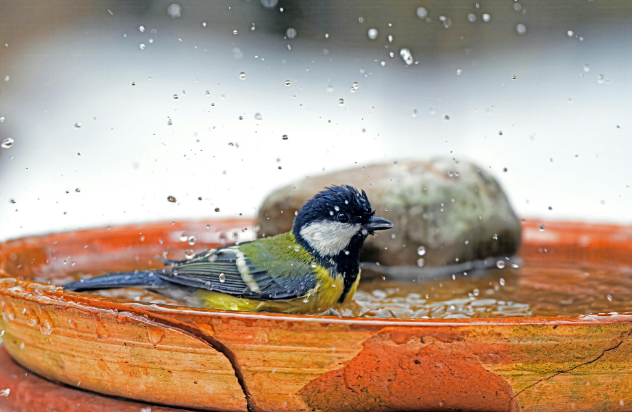
💧 Give wildlife a safe place to drink
A shallow dish of water can provide a valuable drinking spot for birds and insects.
If you have collected grey water – any without soap or washing up liquid – this is a great way to make use of it. Place a shallow container somewhere wildlife can find it, and add a few stones or pebbles that rise above the water. These give bees and other insects somewhere safe to land.
Keep an eye on the water as it will need topping up regularly right now. You don’t need a large space or garden – even a small dish somewhere can make a difference.
🌿 Leave some areas wild
A perfectly manicured garden isn’t necessarily the best for wildlife in the heat.
Vegetation can provide shade, shelter and food for insects and other small creatures.
Some plants will be thriving right now, many others will be wilting and struggling in the heat, but before reaching for the secateurs, take a moment to look.
What is living there?
🌻 Keep flowers coming
Hot, dry weather can make it harder for pollinators to find the nectar they need.
Looking to the future, gardeners may have to consider a wider range of summer flowering plants that are more drought resistant. In Gilbert’s Garden currently blooming well is lavender, globe thistle, rose of sharon and tansy.
If you don’t have a garden – a pot of flowering plants on a balcony, patio or doorstep can still help.
🔎 Be more Gilbert: observe
Perhaps the most Gilbert White thing you can do is simply look around us.
Sit somewhere quietly for ten minutes in any space and watch what happens.
Which flowers seem to attract insects? Are birds visiting? Where does wildlife shelter when the sun is strong?
If you have a garden look at the plants around you. Which ones are thriving despite the dry conditions? Can you collect more rainwater? Can you use more mulch next year to cut down evaporation?
What will you notice today?
Of course, the challenges created by hot, dry weather can be overwhelming, but that doesn’t mean our individual actions are meaningless. Taking a moment to care for wildlife can help us feel more connected to the natural world — and those moments of connection can be good for our own wellbeing too.